Path to optimal health
Breath
This is a new paradigm in mental wellness:
One where thoughts are not fought, but decoded.
Where mental health is not isolated, but integrated.
Where healing is not reductionist, but whole.
We are not here to erase thought.
We are here to remember:
You are not your mind. You are the one listening.
Breath
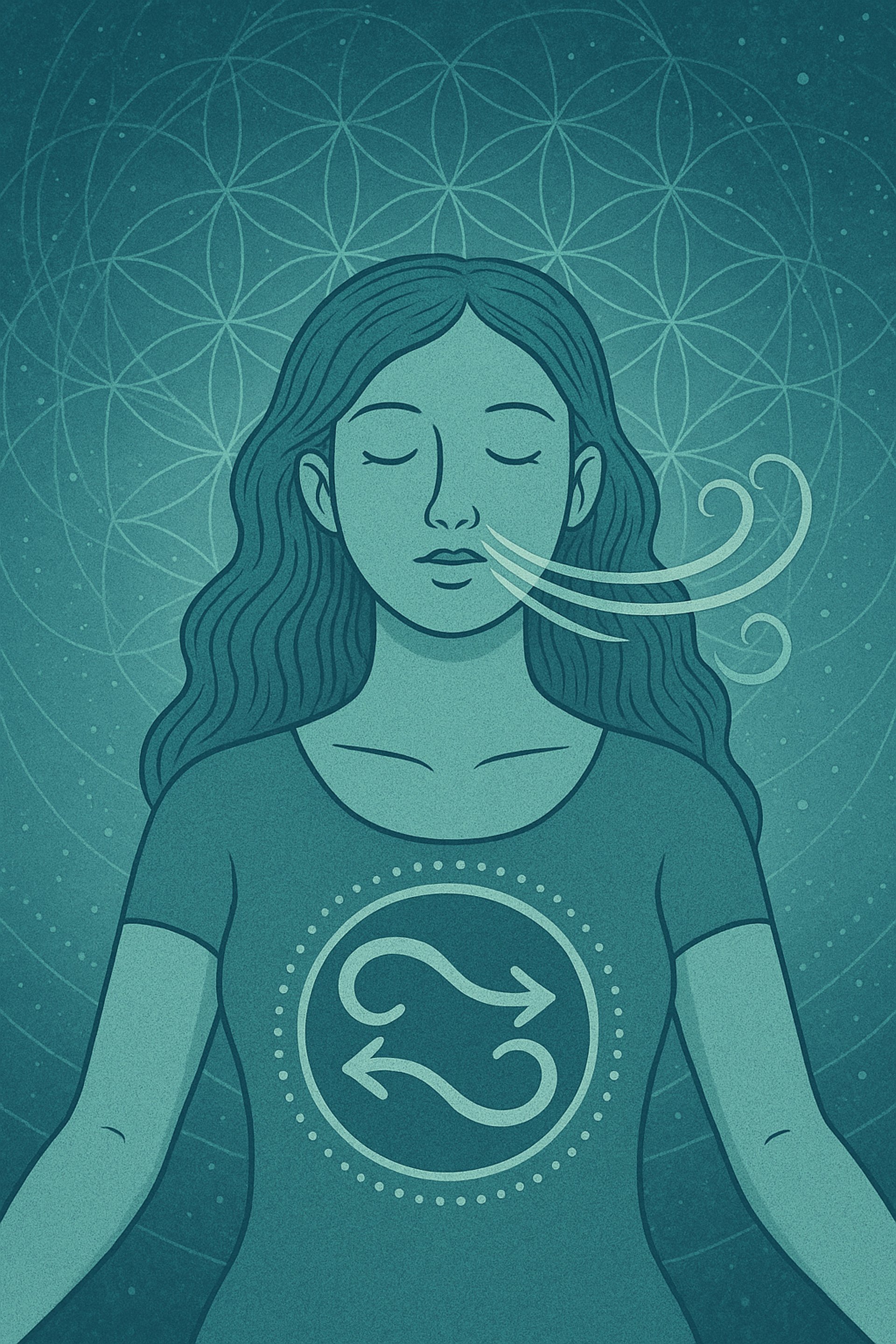
Breath is presence.
And yet most of us breathe just enough to survive, not enough to thrive.
Where is your breath right now,
high in your chest or low in your belly?
The air you breathe is alive. What surrounds you enters you.
Breath: The First Tool of Life
Before the body learns to cry,
Before the mind learns to think
There is breath.
Your first inhale is your soul’s declaration: I am here.
It is not just air; it is life entering form.
It is spirit taking shape in bone, muscle, and memory.
In every culture, breath has been sacred.
In every language, breath and spirit are intertwined:
“Pneuma,” “Prana,” “Ruach,” “Qi.”
All speak of breath not just as oxygen, but also as a vital force.
But as the bridge between the soul and the body.
Breath Regulates Everything
When your breath is shallow, your thoughts become tight.
When your breath is calm, your heart softens.
When your breath is deep, your nervous system remembers safety.
Breath is how the mind communicates with the body.
and how the soul regulates the system.
It is the only function that is both voluntary and involuntary.
meaning it is the doorway between the conscious and the unconscious,
between what you control and what you surrender.
Breath is the remote control for your whole existence.
It can trigger a panic attack or a peaceful awakening.
It can freeze trauma or thaw it.
Breath as a Daily Ritual
To live holistically is to return to your breath.
not just during meditation, but in every sacred ordinary moment.
The breath is not a backup generator.
It is the source.
Inhale intention.
Exhale resistance.
Repeat until you remember: you were never separate from the divine.
Belly Breath: Oxygen Meets the Blueprint
When you inhale, the diaphragm contracts, expanding your lungs at their base.
Here’s what that does:
Increased oxygen absorption: The lower lobes of the lungs have the most alveoli (tiny air sacs), where oxygen (O₂) crosses into your bloodstream.
Carbon dioxide regulation: You also regulate CO₂ levels—essential for keeping your blood pH balanced. Contrary to popular belief, CO₂ isn’t waste; it’s a critical signal for vasodilation, oxygen release from hemoglobin, and cellular health.
Holding the breath—briefly—at the bottom of your inhale allows:
Full gas exchange: Maximizing the O₂ in, CO₂ out process.
Nervous system recalibration: It’s a natural pause, a signal of safety.
Neurochemical shift: You increase nitric oxide production, improve focus, and regulate stress hormones like cortisol and adrenaline.


Inhale: Enter the Parasympathetic Portal
A deep diaphragmatic breath signals your vagus nerve, the longest cranial nerve running from brainstem to belly, to kickstart your parasympathetic nervous system.
Translation? You move from fight-or-flight into rest-and-restore mode.
This one nerve regulates:
Heart rate
Digestion
Inflammation
Emotional tone
Hormone balance
So yes, how you breathe alters your biology.
The Profound Exhale: Detox, Release, Rewire
The exhale is where the magic integrates.
A slow, extended exhale tells your body: We’re safe. We can let go.
It activates the vagus nerve even deeper.
It lowers blood pressure, slows the heart, and reduces inflammation.
At the molecular level, it’s when CO₂ exits, metabolic waste is cleared, and the body begins subtle repair.
Energetically, it is a release of tension, story, and trauma.
When done rhythmically, this breathing cycle rewires your brain, thanks to neuroplasticity and increased oxygenation to the prefrontal cortex (hello, clarity and decision-making).


A Science-Based and
Spirit-Affirming Understanding
Neuroscience now confirms what mystics, shamans, and healers have always known:
The brain is plastic. It can change
The nervous system can be regulated.
Thought patterns can be rewired through conscious practice.
Embodiment, living through the body feelings leads to transformation.
By connecting breath, movement, emotional awareness, and spiritual reflection,
We create new pathways in the brain.
In other words, integration heals.
This healing is not conceptual. It is physical, emotional, and energetic.
When we regulate the body and restore our connection to breath and sensation, the mind settles.
Thought loops dissolve not because we fought them, but because we felt what they were protecting us.